


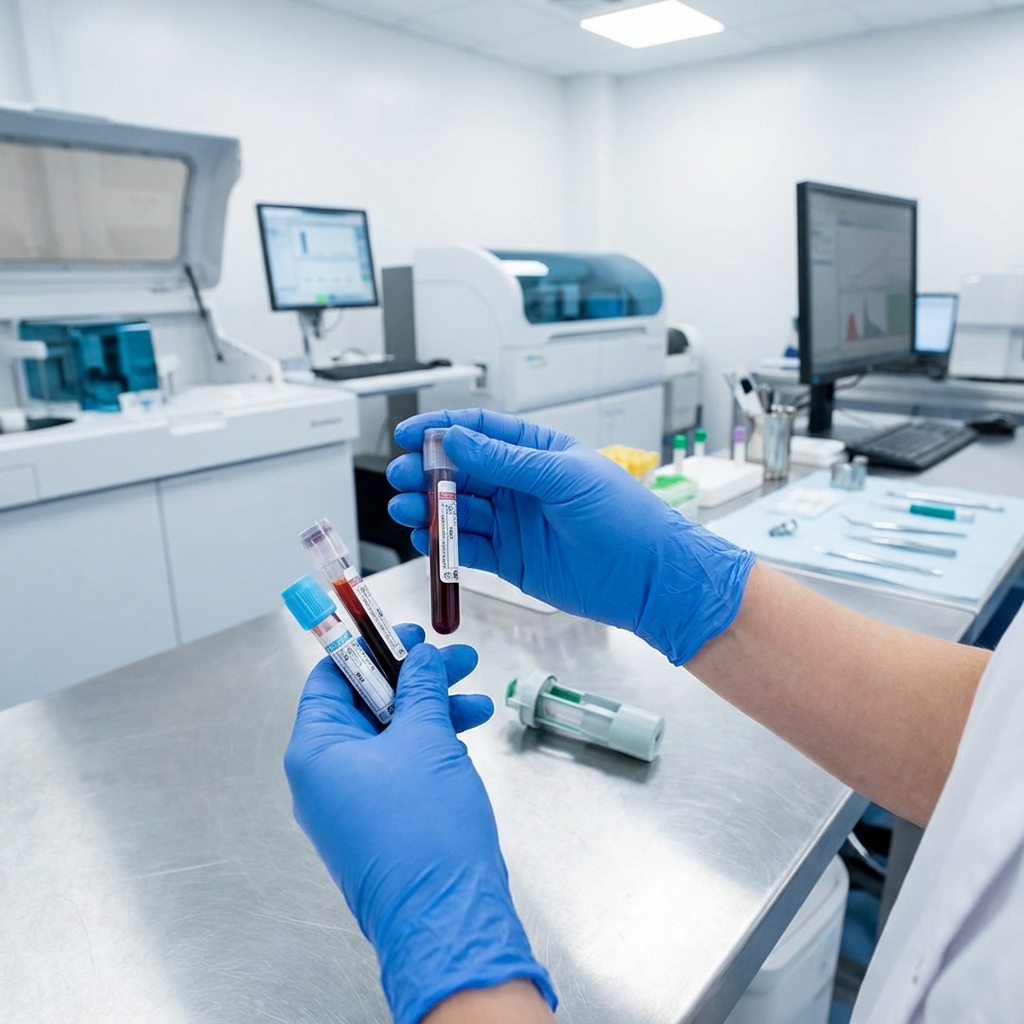
Anemia Test in Casablanca
Complete Iron Panel - CBC, Ferritin, B12 & Folate Testing
Anemia Testing at TEKlaB Laboratory
Anemia affects over 1.6 billion people worldwide. It occurs when your blood lacks enough healthy red blood cells or hemoglobin, reducing oxygen delivery to your body's tissues and causing fatigue, weakness, and other symptoms.
Complete Anemia Panel Includes
Complete Blood Count (CBC)
Measures hemoglobin, RBC count, hematocrit, MCV, MCH, MCHC. Identifies type of anemia.
Ferritin
Iron storage protein. Best test for iron deficiency. Low ferritin confirms iron deficiency anemia.
Serum Iron & TIBC
Measures circulating iron and total iron-binding capacity. Calculates transferrin saturation.
Vitamin B12
Essential for red blood cell production. Deficiency causes megaloblastic anemia.
Folate (Folic Acid)
Required for DNA synthesis and RBC formation. Low folate causes large, immature RBCs.
Reticulocyte Count
Measures young red blood cells. Indicates bone marrow's response to anemia.
Who Should Get Tested for Anemia?
- Chronic fatigue - Persistent tiredness despite adequate sleep
- Pale skin or nails - Loss of color, pale conjunctiva
- Shortness of breath - Especially during physical activity
- Dizziness or lightheadedness - Particularly when standing
- Women with heavy periods - Menorrhagia increases iron loss
- Pregnant women - Increased iron requirements during pregnancy
- Vegetarians/vegans - Higher risk of iron and B12 deficiency
- Chronic diseases - Kidney disease, cancer, inflammatory conditions
- GI symptoms - Celiac disease, IBD, chronic bleeding
Symptoms of Anemia
- Extreme fatigue and weakness
- Pale or yellowish skin
- Irregular heartbeat or chest pain
- Cold hands and feet
- Headaches or dizziness
- Brittle nails or hair loss
- Craving for ice or non-food items (pica)
Preparation for Anemia Test
- Fasting: 8-12 hours required for iron studies (water allowed)
- Supplements: Inform us about iron, B12, or multivitamin use
- Medications: Some medications affect results - disclose all medications
- Timing: Iron levels vary during the day - morning testing preferred
Understanding Your Results
| Test | Normal Range | Anemia Indicator |
|---|---|---|
| Hemoglobin (Men) | 13.5-17.5 g/dL | <13.5 g/dL |
| Hemoglobin (Women) | 12.0-15.5 g/dL | <12.0 g/dL |
| Ferritin (Men) | 20-250 ng/mL | <20 ng/mL |
| Ferritin (Women) | 10-120 ng/mL | <10 ng/mL |
| Vitamin B12 | 200-900 pg/mL | <200 pg/mL |
| Folate | 2.7-17.0 ng/mL | <2.7 ng/mL |
Types of Anemia Detected
Iron Deficiency Anemia
Most common type. Low ferritin, low iron, high TIBC. Small, pale RBCs (microcytic).
B12/Folate Deficiency
Megaloblastic anemia. Large RBCs (macrocytic). Common in vegetarians, elderly.
Anemia of Chronic Disease
Normal or high ferritin, low iron. Associated with inflammation, infections.
Hemolytic Anemia
Increased destruction of RBCs. High reticulocyte count, elevated bilirubin.
Hours
- Mon-Fri07:30-19:00
- Saturday08:30-17:00
- Sunday09:00-14:00